


The Baltistan Division of Gilgit-Baltistan in the north of Pakistan, being popular due to its spectacular mountains and lakes is also known to have a rich cultural heritage. The cultural tourism in Baltistan provides the tourists with a rare chance to discover the ancient forts, the traditional villages, the ancient practices and a lifestyle which has been maintained over a long period. The Karpocho Fort, Khaplu Fort, Shigar Fort and Kharmang Fort are the most famous symbols of the cultural heritage of Baltistan. These places as historic landmarks illustrate the architectural brilliance, political history and the cultural identity of the region.
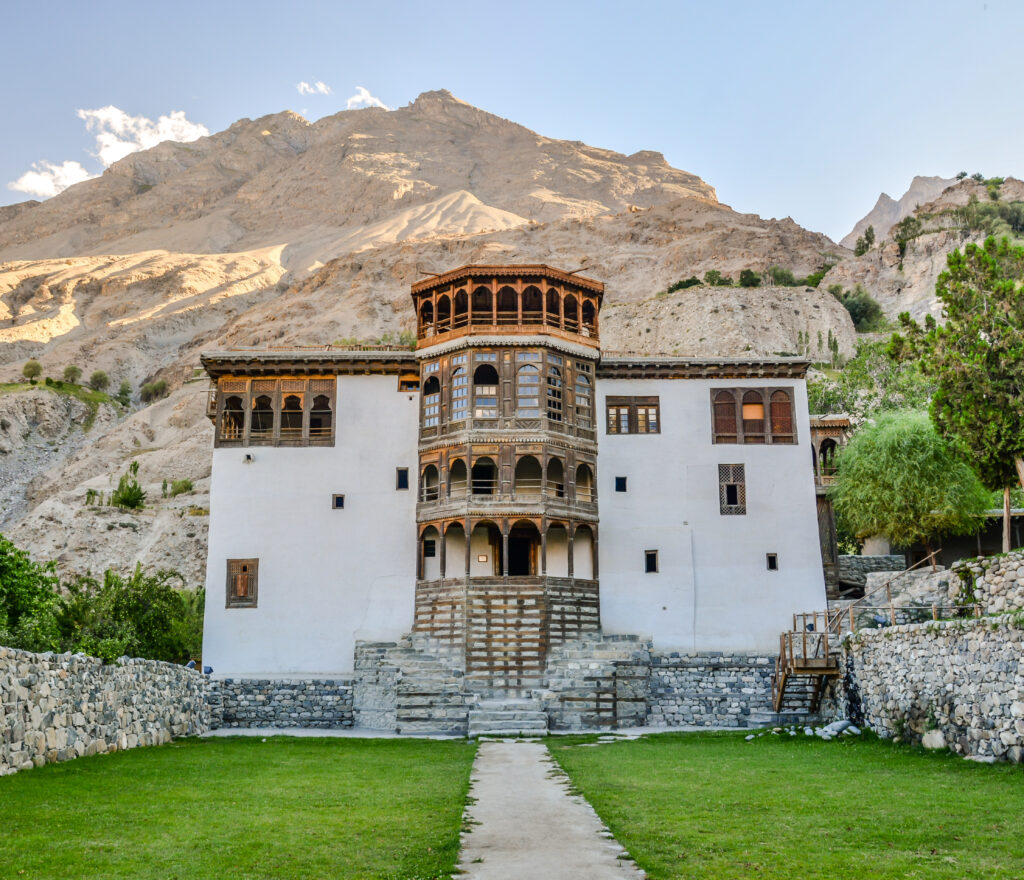
The present blog serves as a detailed guide to the tourists who are interested in cultural tourism in Baltistan and reflects the importance of these forts and the commonly asked questions by the local and international tourists. Cultural tourism is based on the experience of traditions of a region, its heritage, architecture and the way of life. Little Tibet as it is popularly referred to, Baltistan, has a distinct Tibetan, Central Asian, and Islamic cultural fusion.
The numerous forts palaces mosques and traditional villages in the region give insightful information about the past of the region. The Baltistan Division is made up of districts such as Skardu, Shigar, Khaplu and Kharmang. Both districts boast of impressive heritage sites that are frequented by historians, architects and all other global tourists.
Exploring the Cultural Tourism in the Baltistan (G-B)
Forts in Baltistan have a historical significance
The forts in Baltistan had been constructed by regional kings called as Rajas. These bastions were both administrative bases and military bases and royal palaces. The majority of the forts were built at the top of hills or strategic points to guard the kingdom against the invasion of enemies and to guard trade routes. These forts are today restored and made available to visitors providing an insight into the way of life of the royal families of Baltistan as well as the historical administration of the territory.
Karpocho Fort
Karpocho Fort or Kharpocho Fort is a hill situated in front of Skardu city and the Indus River. Karpocho is the name of the Kingdom of forts in the Balti language. This was constructed by Raka Ali Sher Khan Anchan who was one of the strongest Bahmani rulers in Baltistan in the 16 th century. This strategic positioning ensured that the rulers could observe trade routes between Baltistan and Central Asia, Ladakh and Kashmir.
Architectural Features
The architecture in Karpocho Fort has the traditional Balti and Tibetan architecture. The fort was constructed with stone, mud and wood and it is indistinguishable with the mountains around it. The fort remains history of the historic power of Baltistan, though it is partially destroyed.
Tourist Experience
Tourists may also hike all the way to the fort, where they can get the panoramic views of the Skardu city, Indus river and the surrounding valleys. Photographers and the lovers of history are particularly fond of the fort.
Khaplu Fort
The Khaplu Fort is a structure constructed in Khaplu town in the 19th century by Raka Daulat Ali Khan of the Yabgo dynasty. It was both a royal seat and court of administration. The fort is today beautifully restored and turned into a heritage hotel and museum with the preservation of its historical integrity.
Architectural Excellence
Khaplu Fort is a blend of Tibetan, Kashmiri and Balti architecture. The castle is made of wooden balconies, carved doors, stone walls and well adorned rooms.
Cultural Significance
The fort museum exhibits the traditional furniture, clothes, weapons and domestic goods that were used by the royal family. Tourists are taught about the way of life, customs and governance of rulers of Baltistan.
Shigar Fort
Fong Khar (Fort on the Rock or Shigar Fort), is a fort found in Shigar Valley. Raja Hassan Khan constructed it in the 17th century. The fort has been rebuilt and it has become a heritage hotel and museum which attracts tourists worldwide.
Unique Architecture
Shigar Fort is a blend of the Tibetan and Islamic architectural styles. The fort has a structure which consists of:
- Wooden carved ceilings
- Stone walls
- Traditional royal chambers
- Courtyards and balconies
Cultural and Tourism Value
The Shigar Fort is a cultural experience to the visitors. The tourists will be able to spend their time in the traditional rooms, visit the museum, and get acquainted with the royal history of Baltistan.
Kharmang Fort
One of the forts in Baltistan that is not so famous but has great historical significances is Kharmang Fort, which is situated in the Kharmang district. It is the both military and administrative history of the region. The fort was significant in securing the region and upholding government.
The Kharmang Fort has immense cultural tourism potential, in spite of the fact that it is not fully restored as the Shigar or Khaplu Fort. The visitors have an opportunity to tour the structure and the surrounding landscapes which are scenic and historical.
Tourists who visit Baltistan can enjoy:
- Food Traditional Balti food, including Mamtu, Khambir and Butter Tea
- Local handicrafts such as woolen products, as well as embroidery
- Traditional Balti situated in stone and wood
Golden Weekends and Cultural Festivals
There are a number of cultural festivals that are held in Baltistan, which present the local customs, music and dance. These festivities enable the tourists to learn the true Balti culture.
Local Hospitality
Baltistan has a reputation of welcoming hospitality. The visitors usually characterise the local people as hospitable, amicable and helpful.
The Cultural Tourism in Economic Development
Cultural tourism also has a major role in the economy of Baltistan as it:
- Provision of jobs
- Promoting local enterprises
- Furthering the conservation of the historical sites
- Promoting infrastructural growth
Best Time Year to visit Baltistan Cultural Sites
April- October- This is pleasant with and time to do sightseeing
September-October Beautiful autumn colors add to the scenery
Accessibility and Travel Information
It is possible to reach Baltistan by:
Islamabad Skardu flights
Road transport through Karakoram Highway
At Baltistan, forts can be reached by road and short walks
Questions and answers (FAQs)
1. What is so special about cultural tourism in Baltistan?
Baltistan is renowned due to its ancient forts, ancient culture, and heritage. The area is a special combination of traditions of the past, architecture and lifestyle.
2. Are there Karpocho Fort, Shigar Fort and Khaplu Fort that are accessible to tourists?
Yea, these are all tourist forts. Shigar Fort and Khaplu Fort are complete restored and provide a chance to visit the museum and stay.
3. Is Baltistan safe as a destination to foreign tourists?
Yes, Baltistan is regarded to be secure and hospitable to foreign tourists. Each year thousands of foreigners come to Baltistan.
4. What is the duration required by tourists to visit cultural sites?
It is best to spend 4 to 7 days in Skardu, Shigar, Khaplu and Kharmang cultural centers.
5. Do any of these forts have any tour guides?
Yea, there are tour guides in great forts such as Shigar Fort and Khaplu Fort. They offer useful historical facts.
6. When is the most appropriate time of cultural tourism?
The seasons that are ideal include summer and autumn because the weather is comfortable and accessible.
7. Would tourists be allowed to stay within the forts?
Shigar Fort and Khaplu Fort do have heritage hotel accommodation.
8. What would are the cultural activities the tourists can observe?
There is the possibility to experience handicraft, festivals, traditional food, and local lifestyle by tourists.
9. How old are these forts?
The majority of the forts are aged 200500 years in the historic period of Baltistan.
10. Can photography be done at these heritage sites?
Yes, photography is permissible and most encouraged because of the landscape beauty and ancient buildings.