
Deosai National Park, often referred to as the “Land of Giants”, is one of Pakistan’s most breathtaking and unique tourist destinations. Located in the Gilgit-Baltistan region, between Skardu, Astore, and Kharmang districts, Deosai is the second-highest plateau in the world, sitting at an average altitude of about 4,114 meters (13,497 feet) above sea level. This extraordinary national park attracts nature lovers, adventure seekers, wildlife enthusiasts, photographers, and eco-tourists from around the globe
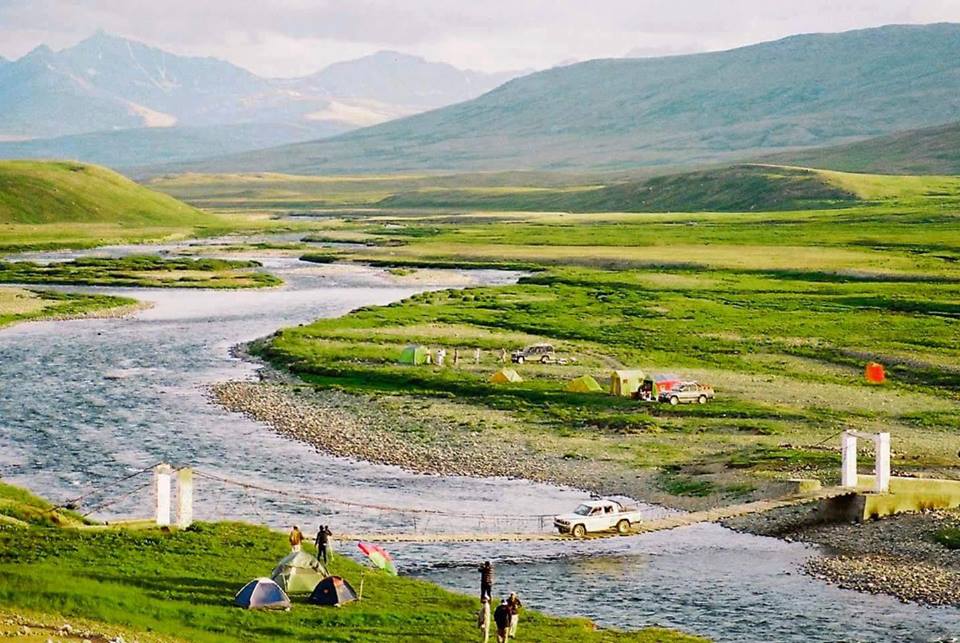
Renowned for its vast plains, rolling grasslands, colorful wildflowers, rare wildlife, and dramatic climate, Deosai National Park offers a truly unforgettable tourism experience.
Tourism Importance of Deosai National Park
Deosai National Park is one of the most important eco-tourism destinations in Pakistan. Every summer, thousands of domestic and international tourists visit Deosai to experience its untouched beauty, scenic landscapes, and peaceful environment. The park serves as a major attraction for jeep safaris, trekking, camping, wildlife observation, and nature photography.
The most popular tourist spots within Deosai include Sheosar Lake, Bara Pani, Kala Pani, and Ali Malik Top, which offers stunning panoramic views of Nanga Parbat and surrounding peaks. Due to its natural charm and biodiversity, Deosai has become a symbol of sustainable tourism in Gilgit-Baltistan.
Natural Flora of Deosai National Park
The flora of Deosai National Park is remarkably rich despite its harsh climate and high altitude. During the short summer season, usually from June to September, the plateau transforms into a vibrant carpet of wildflowers, alpine grasses, and medicinal plants.
More than 300 species of flowering plants have been recorded in Deosai. Some commonly found plant species include:
- Alpine grasses
- Buttercups
- Forget-me-nots
- Blue poppies
- Wild primulas
- Medicinal herbs such as Aconitum and Thymus
These plants not only enhance the scenic beauty of Deosai but also play a crucial role in supporting wildlife and maintaining ecological balance. The blooming season is a major attraction for tourists, botanists, and photographers who visit to witness nature at its finest.
Wildlife and Fauna of Deosai National Park
Deosai National Park is internationally famous for being the habitat of the Himalayan Brown Bear, one of the rarest and most protected species in the world. Conservation efforts have significantly helped increase the population of this iconic animal, making Deosai a global success story in wildlife conservation.
Other important fauna found in Deosai include:
- Tibetan wolf
- Red fox
- Siberian ibex
- Himalayan marmot
- Snow leopard (rare sightings)
The park is also a paradise for bird watchers, hosting over 100 species of birds, including:
- Golden eagle
- Lammergeier (bearded vulture)
- Himalayan snowcock
- Peregrine falcon
This rich biodiversity makes Deosai an ideal destination for wildlife tourism and eco-tourism, offering visitors a chance to observe animals in their natural habitat without disturbance.
Climate of Deosai National Park
The climate of Deosai National Park is one of its most defining features. Due to its extreme altitude, Deosai experiences long, harsh winters and a very short summer season.
- Winter (October to May):
Deosai remains completely covered in snow, with temperatures dropping as low as -40°C. The park is inaccessible during this period. - Summer (June to September):
Summer is mild and pleasant, with daytime temperatures ranging between 10°C to 20°C, while nights remain cold. This is the best time for tourism, camping, and exploration.
Sudden weather changes, strong winds, and rainfall are common, adding to the dramatic charm of the region. Tourists are advised to be well-prepared and respect the natural environment.
Sustainable Tourism and Conservation
Deosai National Park is a protected area, and sustainable tourism practices are strongly encouraged. Visitors are advised to avoid littering, respect wildlife, and follow park regulations. Local communities benefit from tourism through employment opportunities, guiding services, transport, and hospitality, making Deosai an important contributor to the regional economy.
Eco-friendly tourism initiatives help preserve the fragile ecosystem while allowing tourists to enjoy the natural beauty responsibly.
Conclusion
Deosai National Park is more than just a tourist destination—it is a natural treasure of Pakistan. Its unique combination of high-altitude landscapes, rich flora, rare fauna, and dramatic climate makes it one of the most remarkable national parks in the world. Whether you are seeking adventure, serenity, or a deep connection with nature, Deosai offers an experience like no other.
A visit to Deosai National Park is truly a journey into the heart of untouched wilderness and natural wonder.